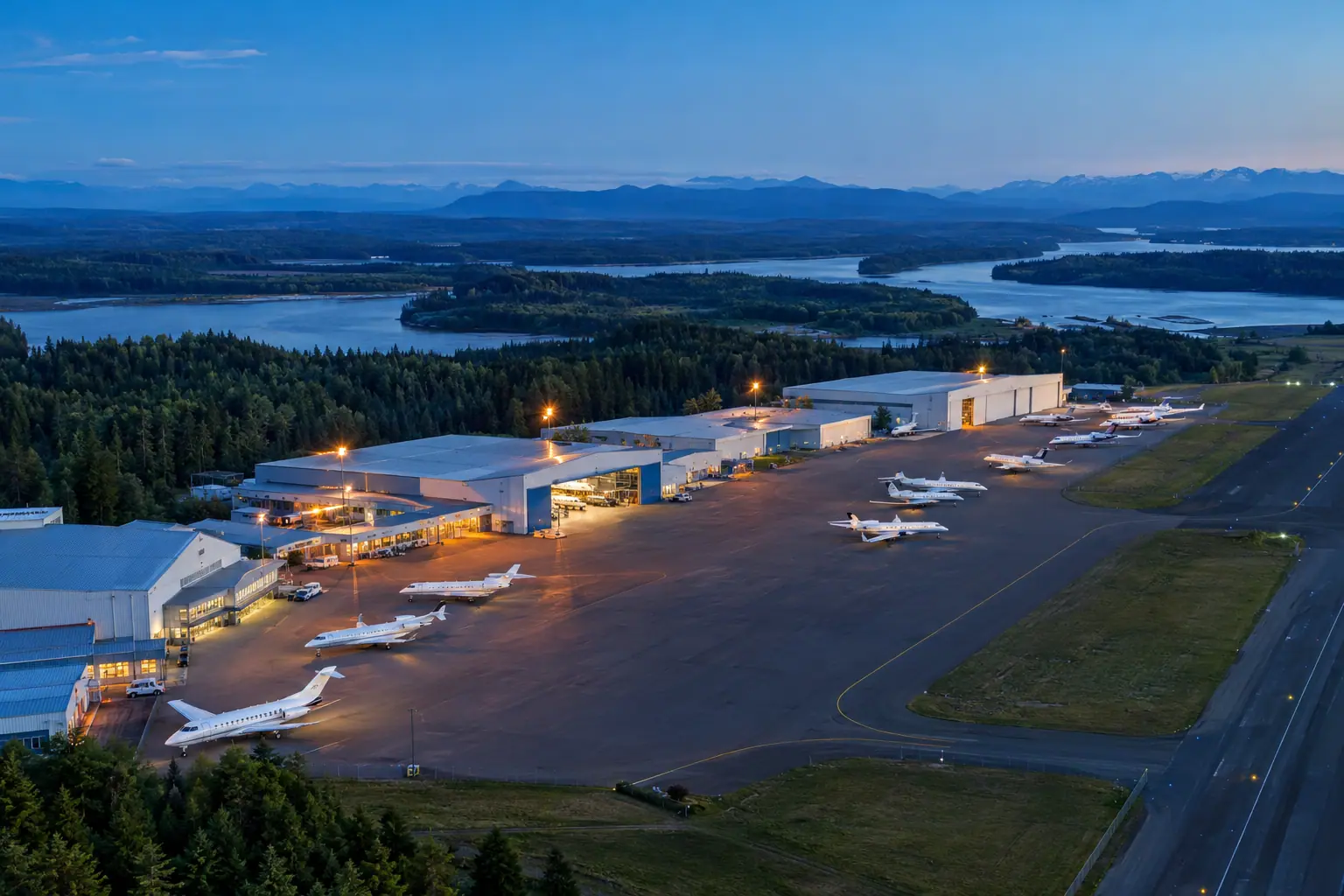
Private jet pricing Tampa
Private jet pricing Tampa depends on the aircraft, the route and the season. TPA sits at 26 feet elevation with an 11,002-foot runway, so most jets can use it fully loaded. Expect estimates to shift with fuel and demand.
- KTPA · TPAfield IDs
- 26 ftfield elevation
- 11,002 ftlongest runway
- 0 mito New York
Private jet pricing Tampa starts with the airport itself. Tampa International (KTPA) is the commercial field on the west side of the bay, sitting at 26 feet elevation with a longest runway of 11,002 feet. That runway length matters for cost: it lets larger midsize and super-midsize jets depart with full fuel and passengers, so you are not forced into a smaller aircraft or a fuel stop that would add to the bill. A long runway at 26 feet keeps most Tampa jet pricing estimates in the standard range rather than climbing into short-field territory.
Charter flights into TPA are arranged by brokers like us and flown by FAA Part 135 operators who hold operational control. We act as your agent under DOT Part 295, which means we match you to a certificated operator and quote the rate; the operator flies and manages the trip. Pricing is not one number. It reflects aircraft category, how far you fly, how long the aircraft sits waiting for you, and the fees at the field. A turboprop hop from a nearby Florida city will price very differently from a midsize jet to the West Coast.
Where the airport fits the map also shapes cost. TPA is roughly 1,982 miles from the downtown strip reference we use, a long transcon leg that pushes you toward midsize or larger equipment. If your trip is shorter, or you can be flexible on timing, an empty leg or a turboprop can lower the number. Comparing Tampa charter quotes across aircraft categories is the single biggest lever on cost before you ever talk about catering or ground transport. Quotes move with fuel, crew duty limits and weekend demand, so treat any figure as an estimate and confirm it close to your date.
Because TPA is a busy commercial airport, slot cooperation and surface flow matter more here than at a quiet reliever field. That can affect how tightly the operator schedules your departure, and crew time is a line item. Two aircraft of the same model can price differently depending on whether the operator is already repositioning into the area or must fly in empty to pick you up.
Insurance, crew currency and maintenance reserves are baked into every rate you see. When you compare a private jet charter cost between two providers, ask what is included and what is not: taxes, segment fees, overnight crew and de-icing all appear somewhere. We quote those line items up front so the estimate you compare is the same trip, not a stripped-down version of it.
Runway length at Tampa and your quote
TPA's 11,002-foot runway is the operational fact that most affects private jet pricing Tampa travelers receive, because it lets most business jets operate without payload limits at the airport's 26-foot elevation and moderate warm-season density altitudes. Short runways force lighter fuel loads or smaller aircraft; this field rarely does. An 11,002-foot runway means fewer weight penalties on Tampa departures, so quotes track trip length rather than field limits. When your destination is far, the aircraft still needs range, but the departure end is not the constraint here. If hot weather lifts density altitude, then the takeoff roll grows, and operators may adjust fuel or timing on the longest leg you book.
| Runway | Miles | Width | Surface |
|---|---|---|---|
| 19R/01L | 11,002 ft | 150 ft | Concrete |
| 19L/01R | 8,300 ft | 150 ft | PEM |
| 10/28 | 6,999 ft | 150 ft | PEM |
FBOs and ground handling at TPA
Two FBOs serve general aviation at Tampa International: Sheltair and Signature Aviation. Both handle private jets, and each sets its own handling and facility fees, which show up as a line on your estimate. Choosing between Sheltair and Signature can shift the ground portion of a Tampa charter quote. Ask which FBO your operator uses before you compare totals, because ramp fees, overnight parking and passenger amenities differ by location. On busy weekends or during Tampa events, ramp space can tighten, so book early. When you need international clearance, CBP handles arrivals at the field, and we flag that in the plan so the schedule allows for it.
Who this airport suits
- Travelers heading to downtown Tampa, the bay bridges and the Gulf beaches who want a full-length runway and two FBO options.
- Groups flying a transcontinental leg who need midsize or larger jets with range rather than short-field capability.
- Business travelers comparing a private jet charter cost against commercial schedules into a busy hub.
- International arrivals that need CBP clearance and a documented plan for the return.
| Class | Runway length needed | Here |
|---|---|---|
| Turboprop | 3,300 ft+ | Clears |
| Light jet | 4,000 ft+ | Clears |
| Midsize jet | 5,000 ft+ | Clears |
| Super-midsize jet | 5,200 ft+ | Clears |
| Heavy jet | 5,600 ft+ | Clears |
Heat and density altitude at TPA
Summer density altitude at TPA reaches about 2,000 feet in July, rising toward 2,600 feet in peak heat, which is modest for a sea-level field but still a factor operators price around. July density altitude near 2,000 feet rarely forces payload cuts but can nudge fuel planning on long legs. Winter is the gentler window: January highs average around 70F with a density altitude near 800 feet, and wet days stay low at about 7. Rain matters in the wet season, when June through September can bring 21 to 25 wet days a month; if a system stalls over the bay, then departure slots can slip and crew duty clocks start running, which can add to the final bill. Peak-season demand around spring training and winter holidays is the bigger cost driver, not the heat.
| Mo. | Avg high | Wet days | Air density height |
|---|---|---|---|
| Jan | 70°F | 7 | 800 ft |
| Feb | 74°F | 8 | 1,000 ft |
| Mar | 80°F | 8 | 1,400 ft |
| Apr | 83°F | 9 | 1,600 ft |
| May | 88°F | 11 | 2,000 ft |
| Jun | 88°F | 21 | 2,000 ft |
| Jul | 89°F | 24 | 2,000 ft |
| Aug | 89°F | 25 | 2,000 ft |
| Sep | 86°F | 21 | 1,800 ft |
| Oct | 83°F | 8 | 1,600 ft |
| Nov | 77°F | 7 | 1,200 ft |
| Dec | 72°F | 6 | 900 ft |
Getting to and from the airport
The airport sits close to the city, connected by the area's main highways and the bay bridges, so ground time to downtown hotels and the waterfront is short compared with many major fields. Both FBOs arrange ground transport, and rental cars and rideshares are available. For international legs, CBP processes arrivals on site, so build the clearance stop into your departure plan. When a large convention or game fills the city, then lodging near the bay books out and ground times stretch, so reserve cars early. We confirm the FBO and the ground plan with your operator before you fly.
Private jet routes via Tampa
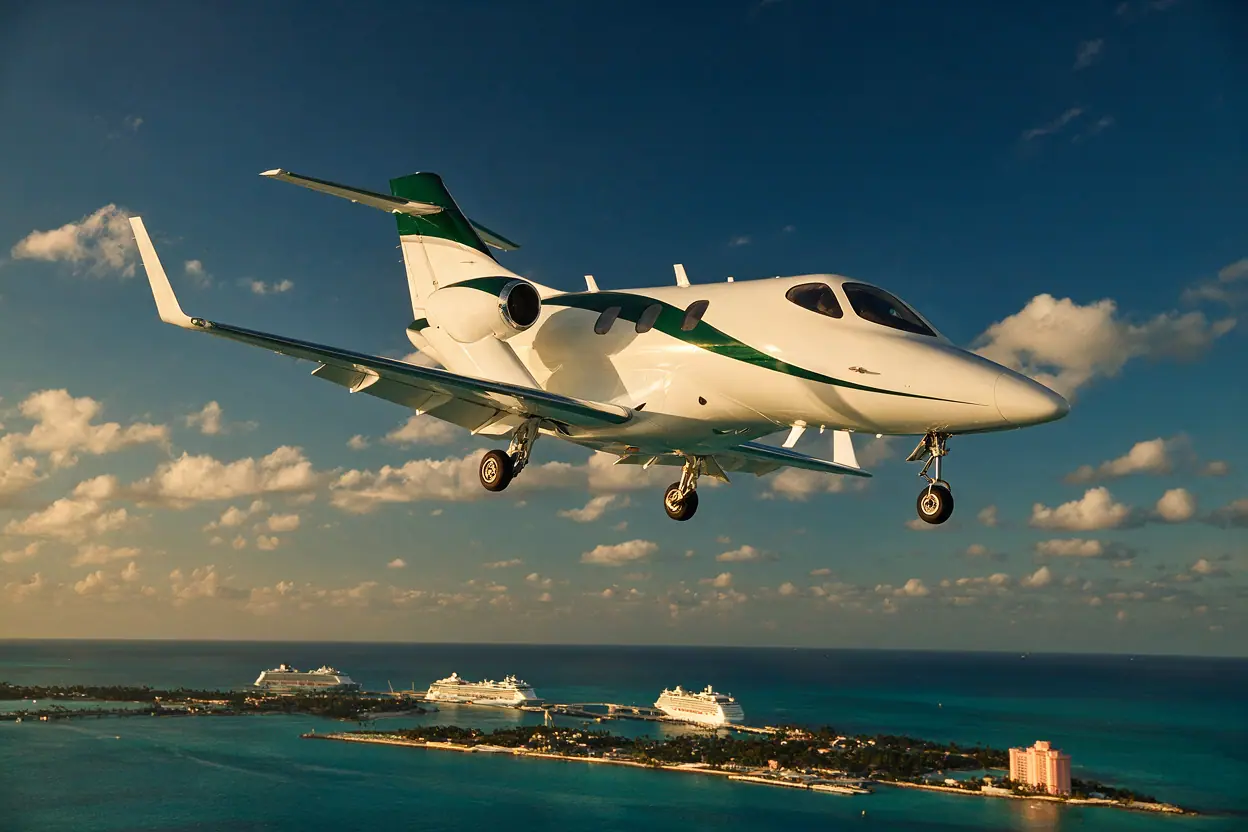
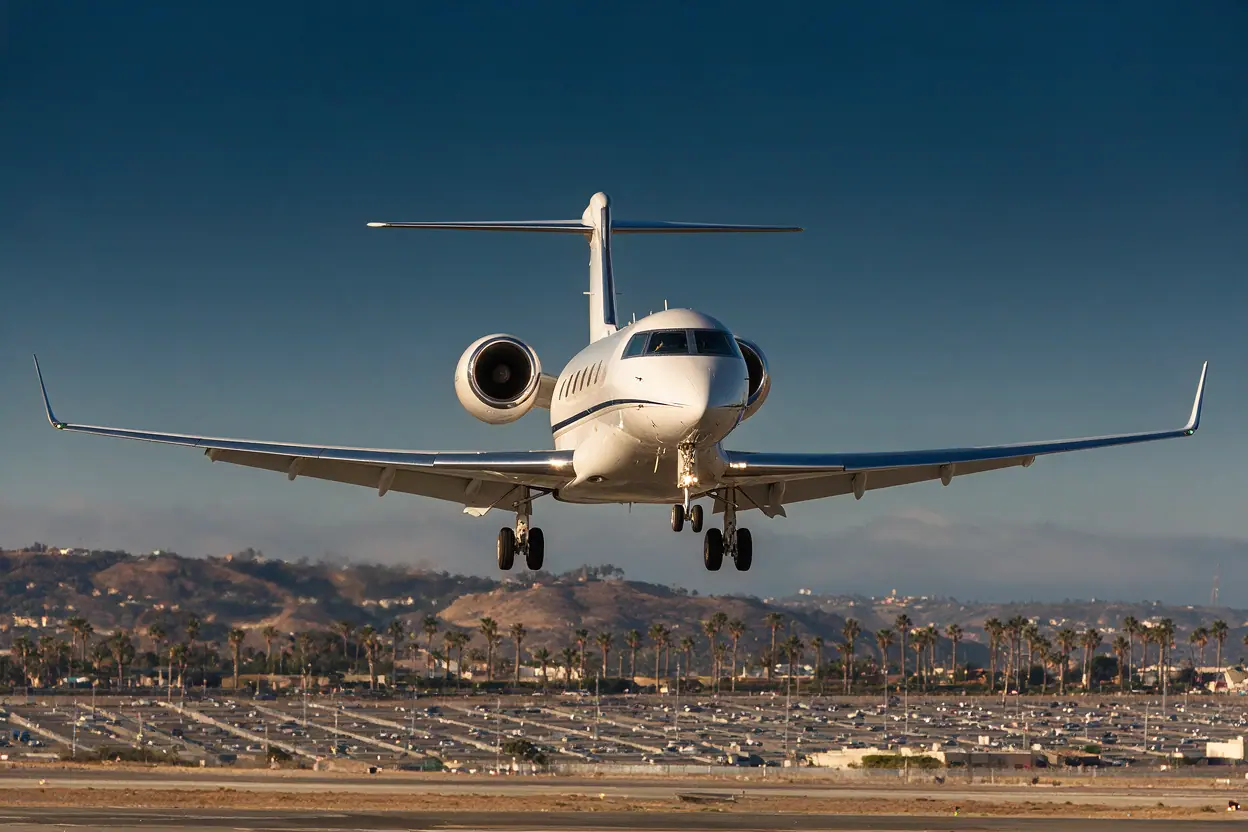
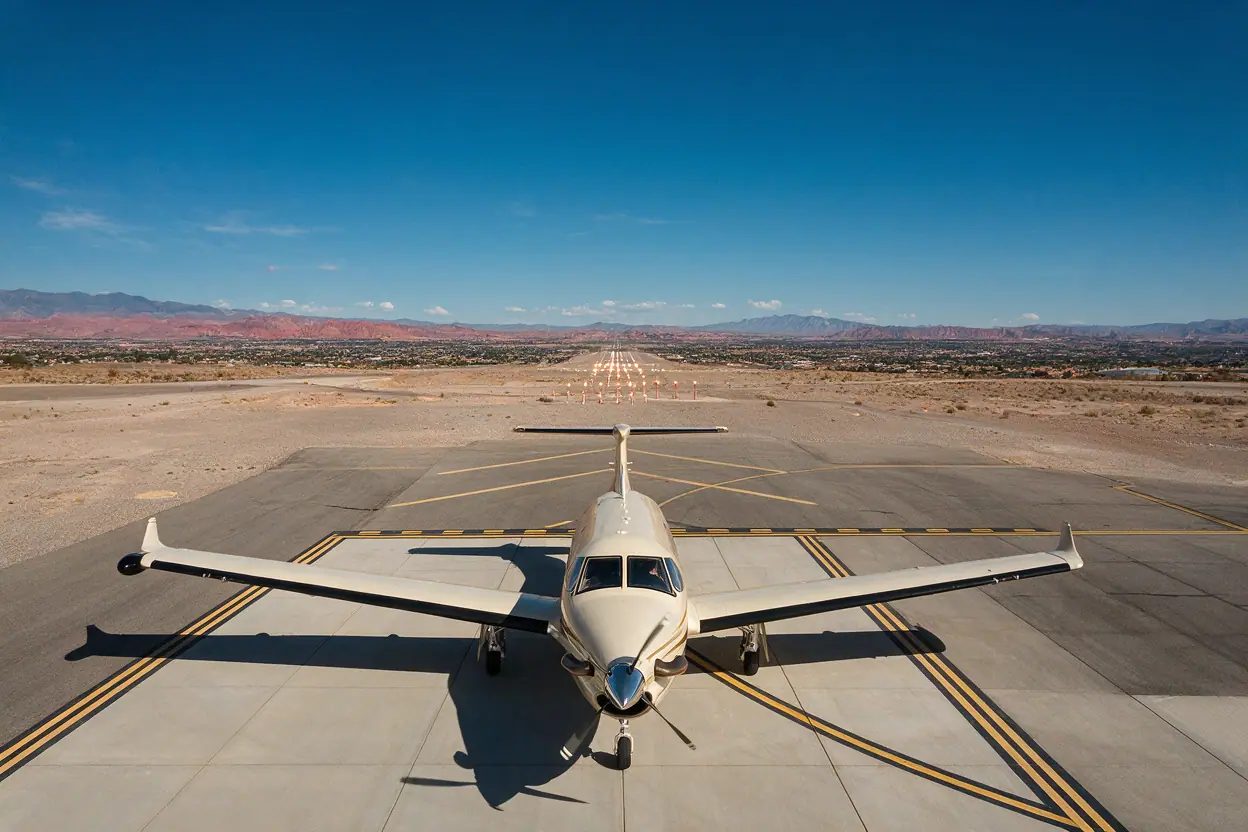
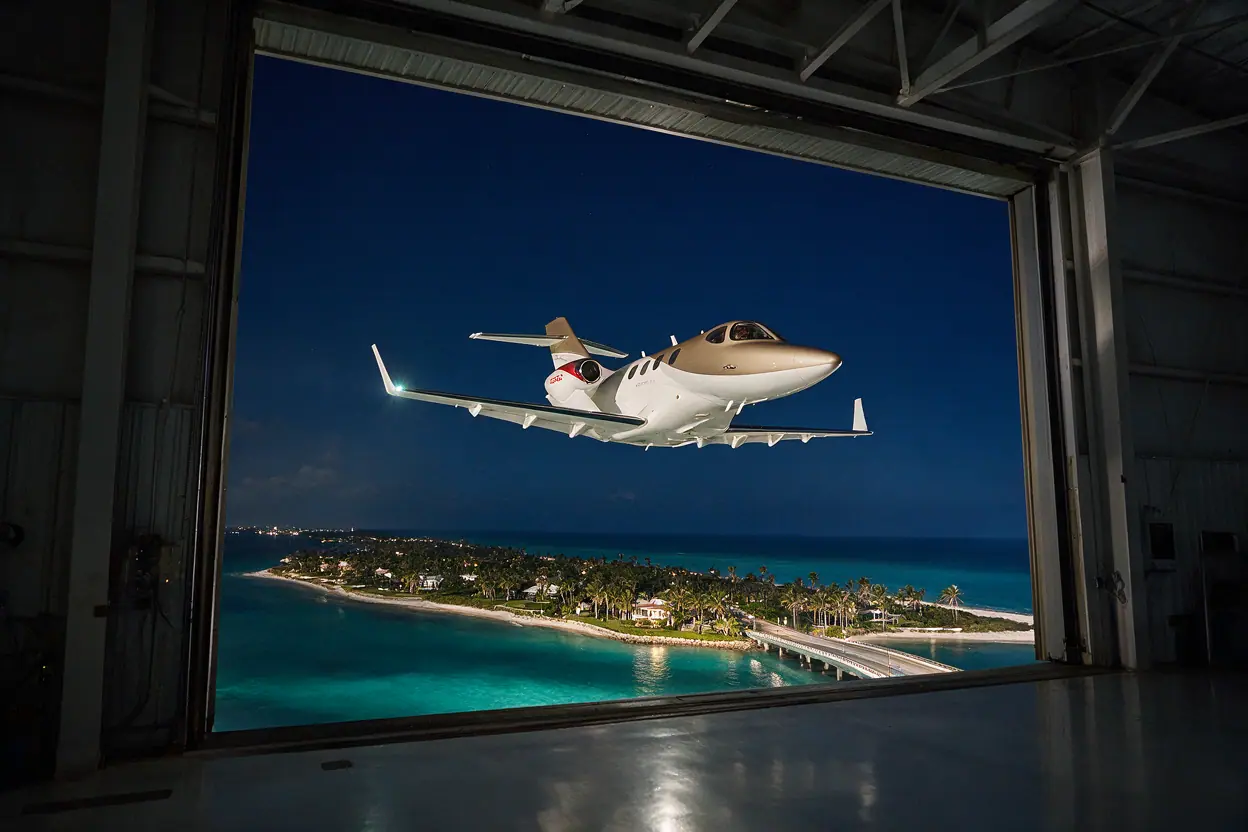
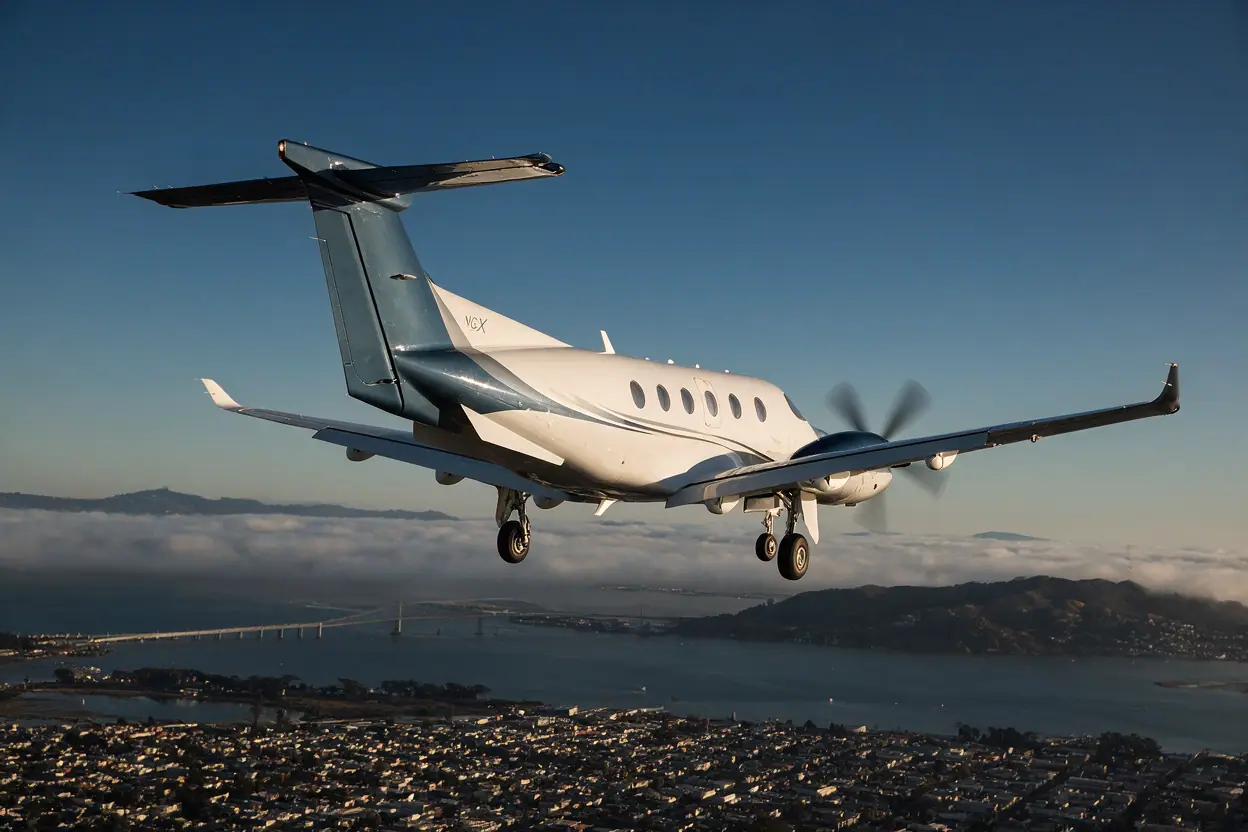
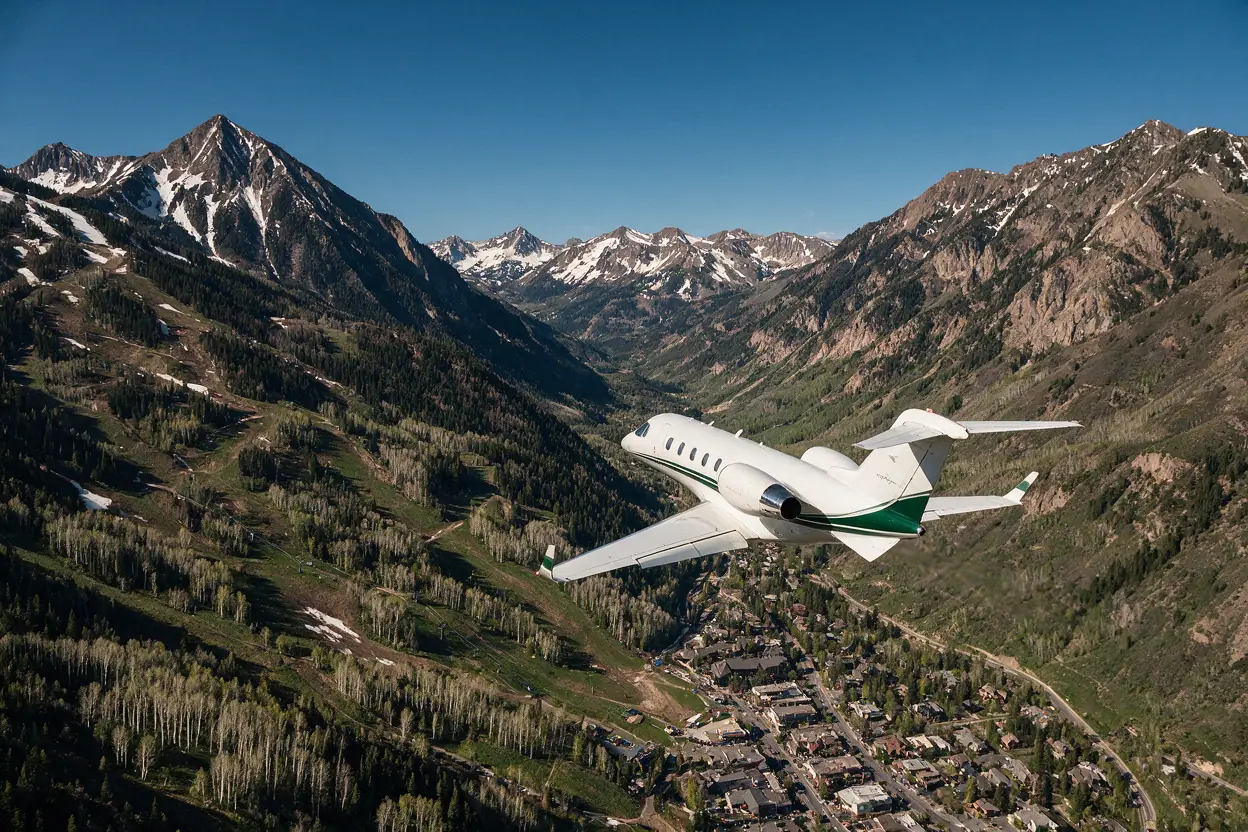
These 6 private jet legs span 199 to 2,129 nautical miles; single-leg light jet quotes run from $4,000 to $36,000.
Airport-specific questions
What does private jet pricing Tampa look like for a typical trip?
There is no single rate, but the structure is consistent: aircraft category, distance, wait time and FBO fees. TPA's 11,002-foot runway at 26 feet means most jets can carry full fuel, so the estimate tracks how far you fly rather than field limits. A short turboprop leg and a midsize transcon flight sit in very different ranges. Treat every figure as an estimate and reconfirm near your date.
When does density altitude raise my Tampa quote?
Peak summer is the window to watch. In July, density altitude at TPA runs about 2,000 feet and can reach roughly 2,600 feet in extreme heat. Because the field is at 26 feet, this rarely forces payload cuts on a full-length runway, but operators still adjust fuel planning on the longest legs. Winter is easier, with January highs around 70F and density altitude near 800 feet.
Which FBO will my flight use at Tampa International?
TPA has two general aviation FBOs, Sheltair and Signature Aviation. Your operator picks one based on its own arrangements, and each sets handling and parking fees that appear on your estimate. Ask which one is booked before you compare two quotes, since the ground side can differ. On event weekends, ramp space tightens, so confirm early.
Do I need customs for a private flight arriving at TPA?
CBP processes international arrivals, and we build that clearance into the schedule when your leg crosses a border. Domestic flights skip it. Allow extra time for the clearance stop on the return, because it affects crew duty limits and, in turn, the estimate. If your itinerary is entirely within the US, then no customs step applies, and the plan stays simpler.
How do brokers and operators split responsibility on a TPA charter?
We act as your agent under DOT Part 295 and arrange the trip. The flight itself is flown by an FAA Part 135 operator that holds operational control, maintains the aircraft and employs the crew. We do not own aircraft. Pricing comes from the operator, and we present it alongside any broker fee so you can see what each line covers.
How much does a runway like TPA's affect the final cost?
More than most travelers expect. The 11,002-foot runway lets large jets depart without the weight penalties a short field would impose, so you are less likely to pay for a fuel stop or a forced downgrade in aircraft. When field limits are not the constraint, then cost tracks distance, aircraft category and how long the jet waits for you.