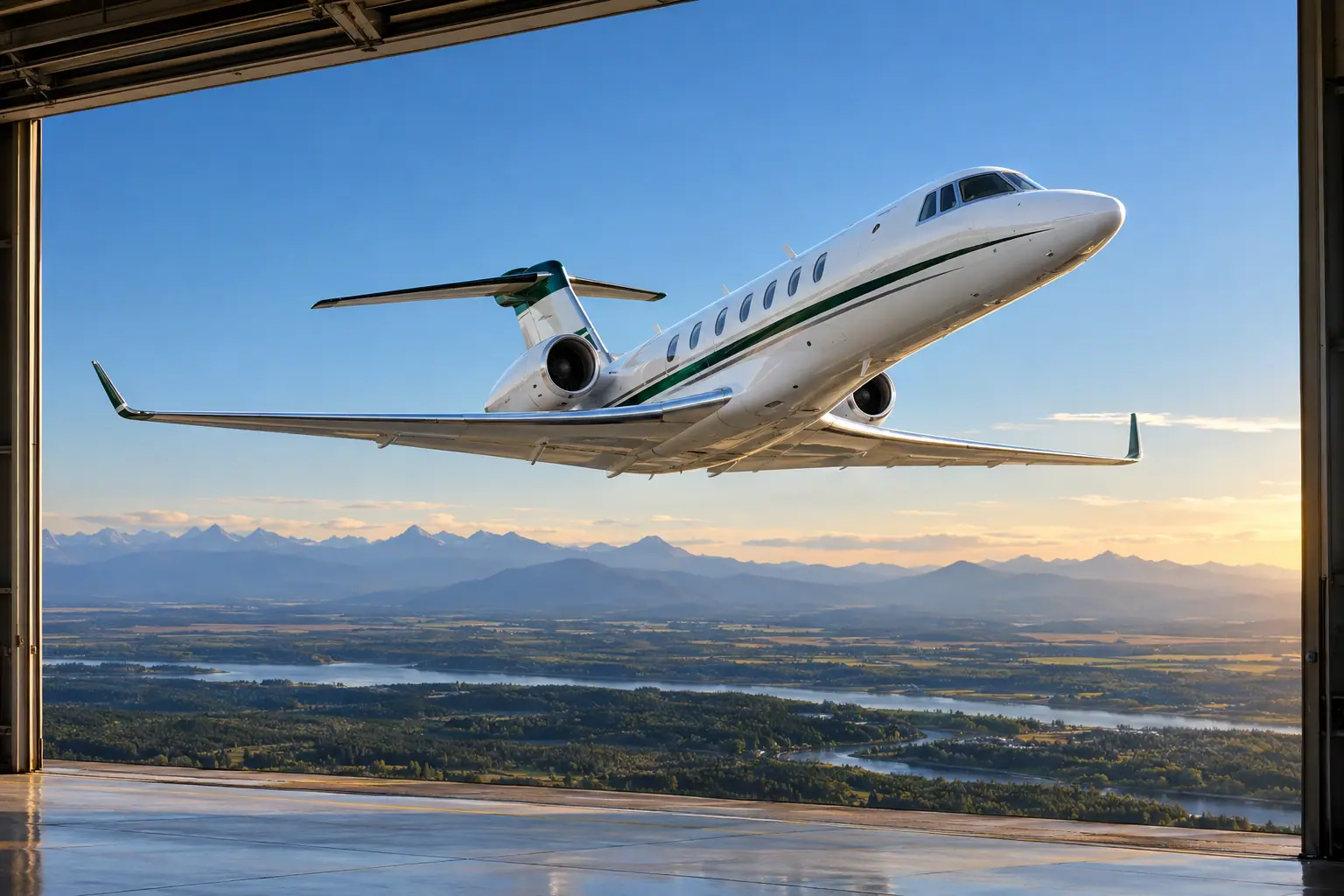
Private jet cost by route
Route pricing starts with distance, then aircraft class. A light jet runs $4,000 to $6,000 on a leg near 200 nautical miles. Longer flights scale up from there.
- Home
- Routes
A light jet quote near $4,000 to $6,000 covers short hops of about 200 nautical miles, which is the shape of Los Angeles to Las Vegas or Dallas to Houston. Move to a midsize jet and the hourly rate climbs, so the same route costs more even though the time in the air barely changes. The number you see is an estimate, built from distance and class before anyone confirms an aircraft.
On longer legs the math shifts. New York to Los Angeles runs 2,129 nautical miles and light jet estimates fall between $23,500 and $36,000, because flight time dominates the bill. Any quote also reflects the day, the airport pair, and whether the aircraft has to reposition to pick you up. Those are the variables a broker checks before giving a firm number.
Inbound private jet cost by route
Inbound legs into the US price like any other route, with the added cost of customs handling at the arrival airport. A flight from Nassau to Miami covers 161 nautical miles and a light jet estimate lands between $4,000 and $6,000, close to the outbound figure because the distance is the same. CBP clearance is arranged around your arrival, so build a little slack into the schedule. Operators flying international legs need the paperwork in order before departure, and that work sits in the quote. When the trip crosses a border, plan on the estimate moving a bit from the domestic figure.
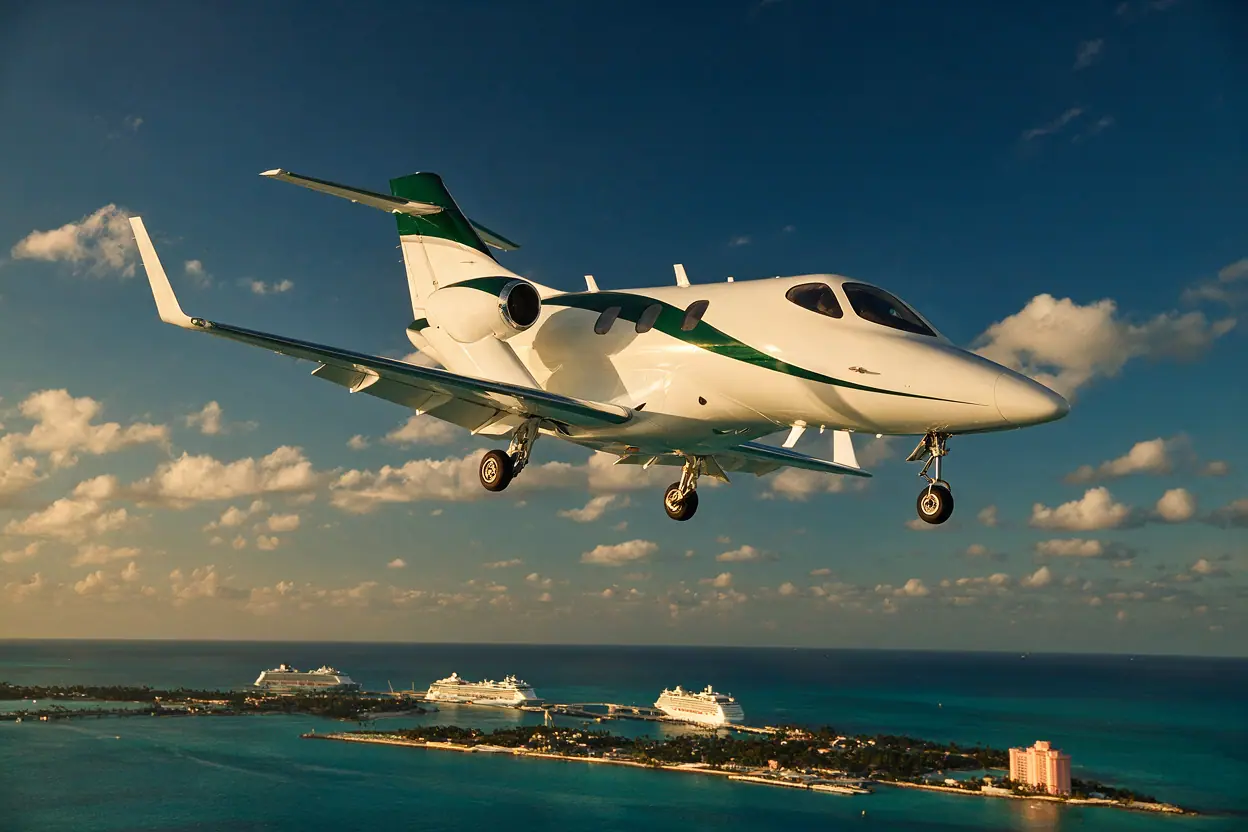
New York → Miami
- 2h 37m
- $10,000–$15,000
- 949 nm

Los Angeles → Las Vegas
- 0h 47m
- $4,000–$6,000
- 199 nm
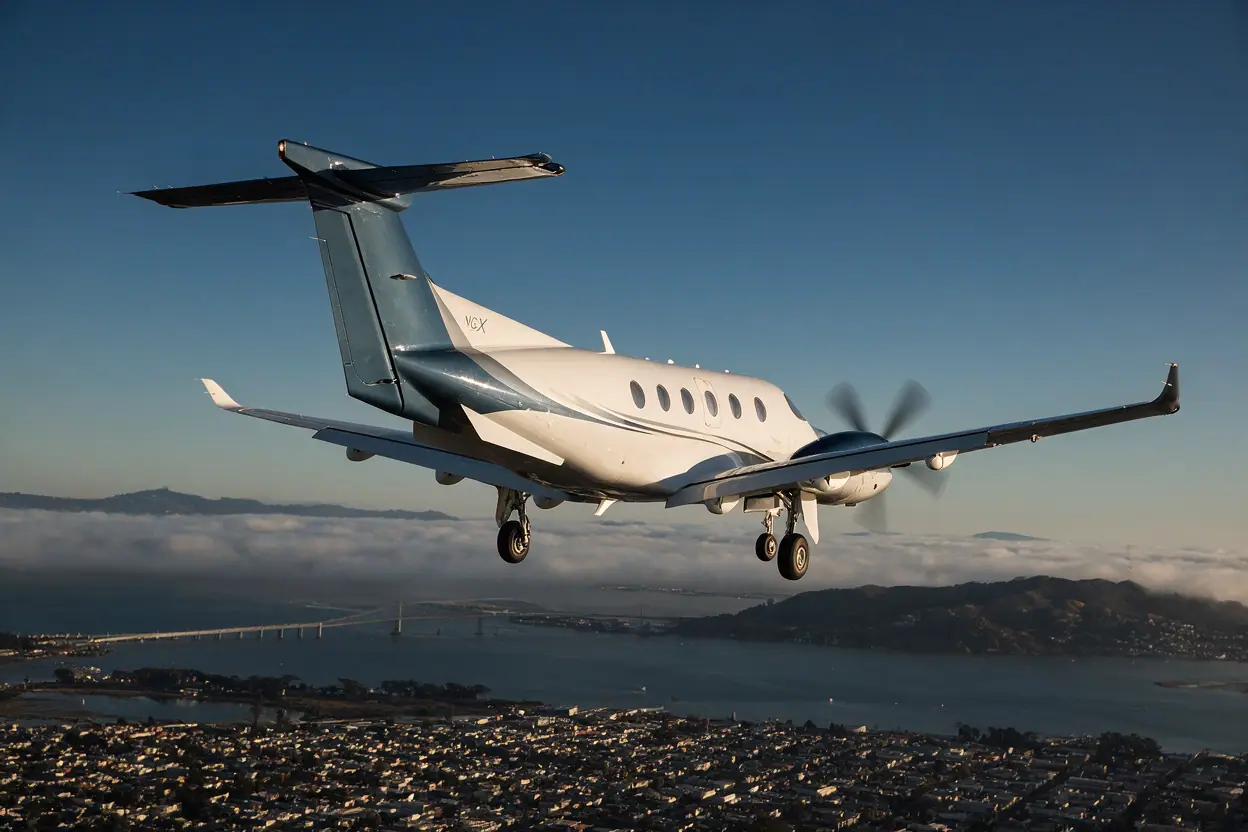
Los Angeles → San Francisco
- 0h 59m
- $4,000–$6,000
- 279 nm

Los Angeles → Aspen
- 1h 51m
- $7,000–$10,500
- 634 nm
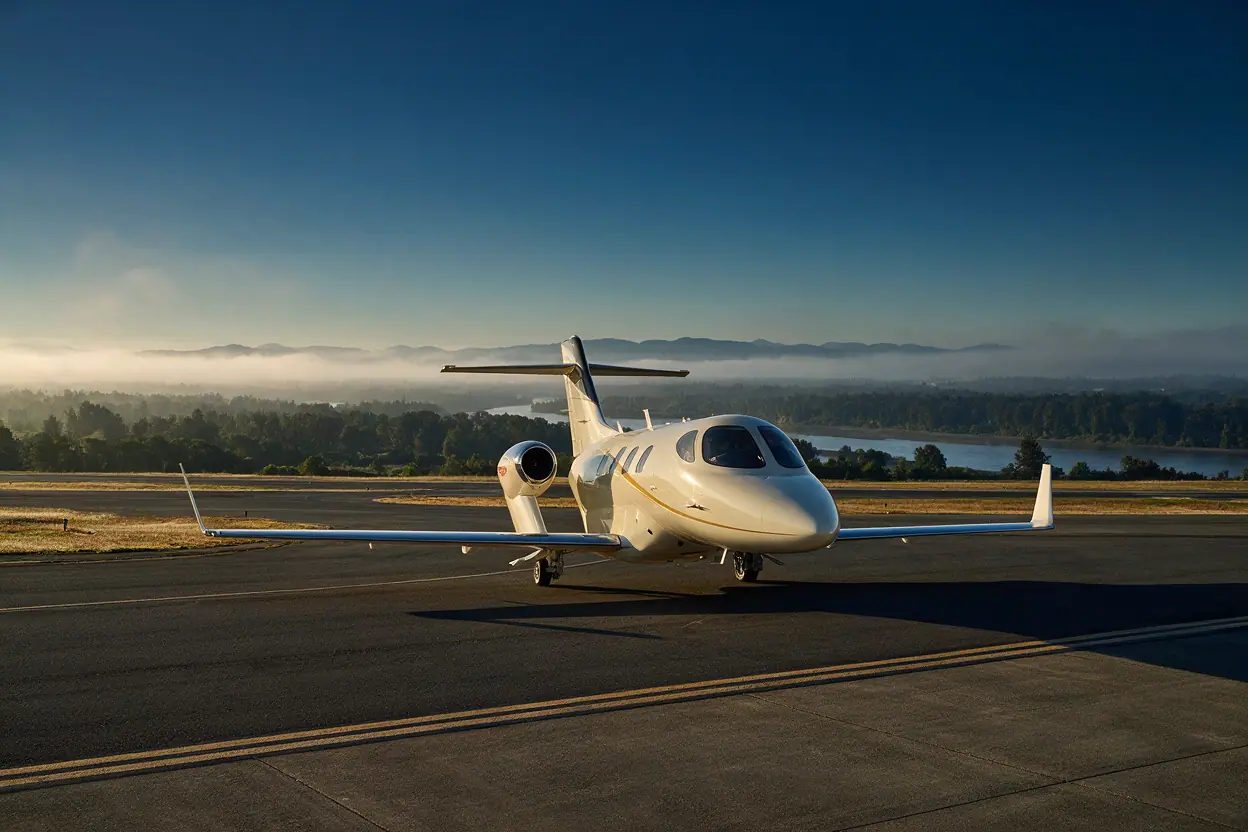
Chicago → New York
- 1h 49m
- $7,000–$10,500
- 619 nm
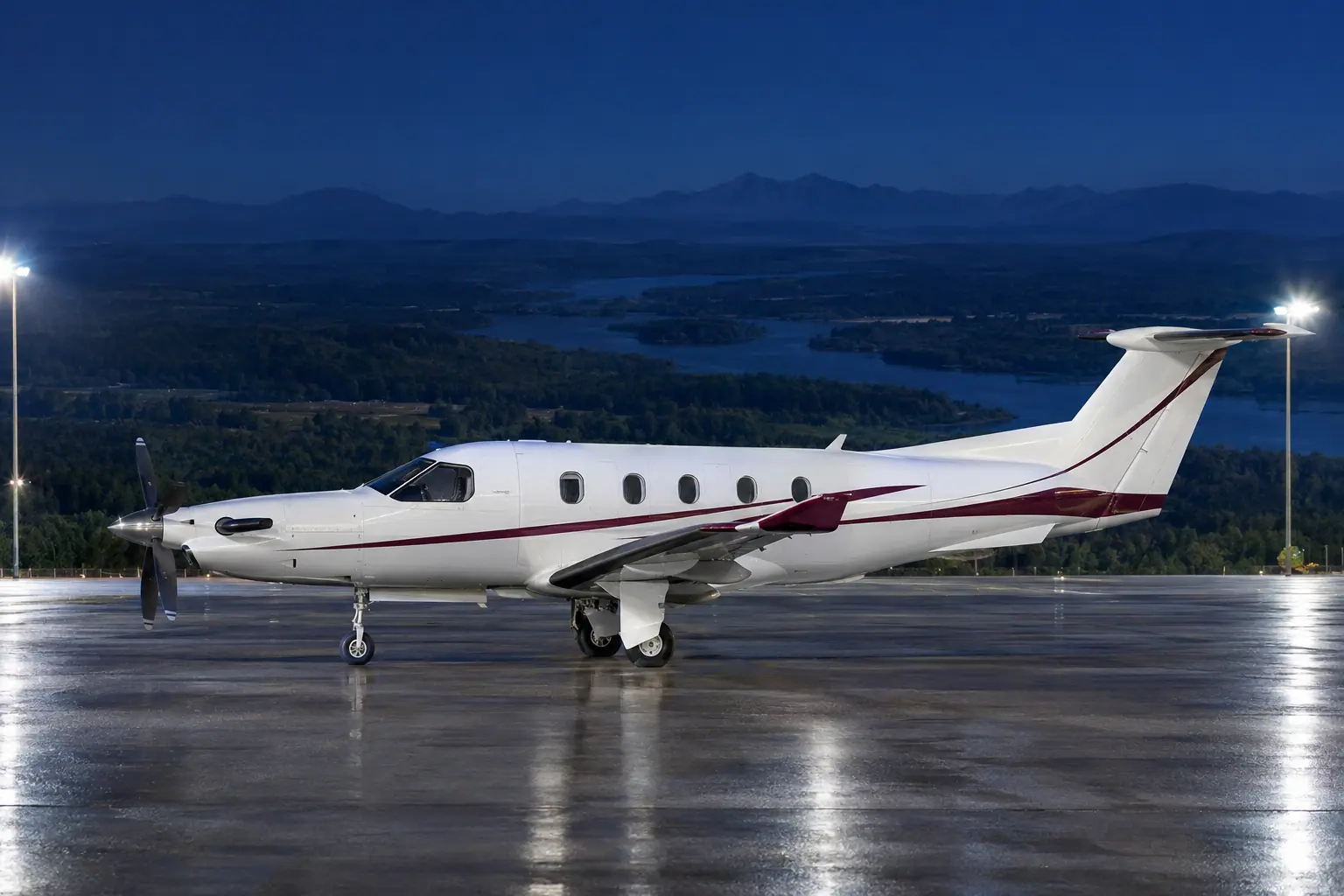
Miami → Nassau
- 0h 42m
- $4,000–$6,000
- 161 nm
Washington, DC → New York
- 0h 46m
- $4,000–$6,000
- 194 nm
Dallas → Las Vegas
- 2h 34m
- $9,500–$15,000
- 925 nm
Outbound private jet cost by route
A one-way outbound flight is priced on distance and class, and empty return legs are a separate question. Miami to Nassau is 161 nautical miles with a light jet estimate of $4,000 to $6,000, the same range as the reverse direction. For Mexico trips, Los Angeles to Cabo San Lucas covers 808 nautical miles at roughly $8,500 to $13,000 in a light jet. If the operator has to fly the aircraft home empty, that repositioning shows up in the price. Ask whether the quote is one-way or round trip before you compare it to anything else.
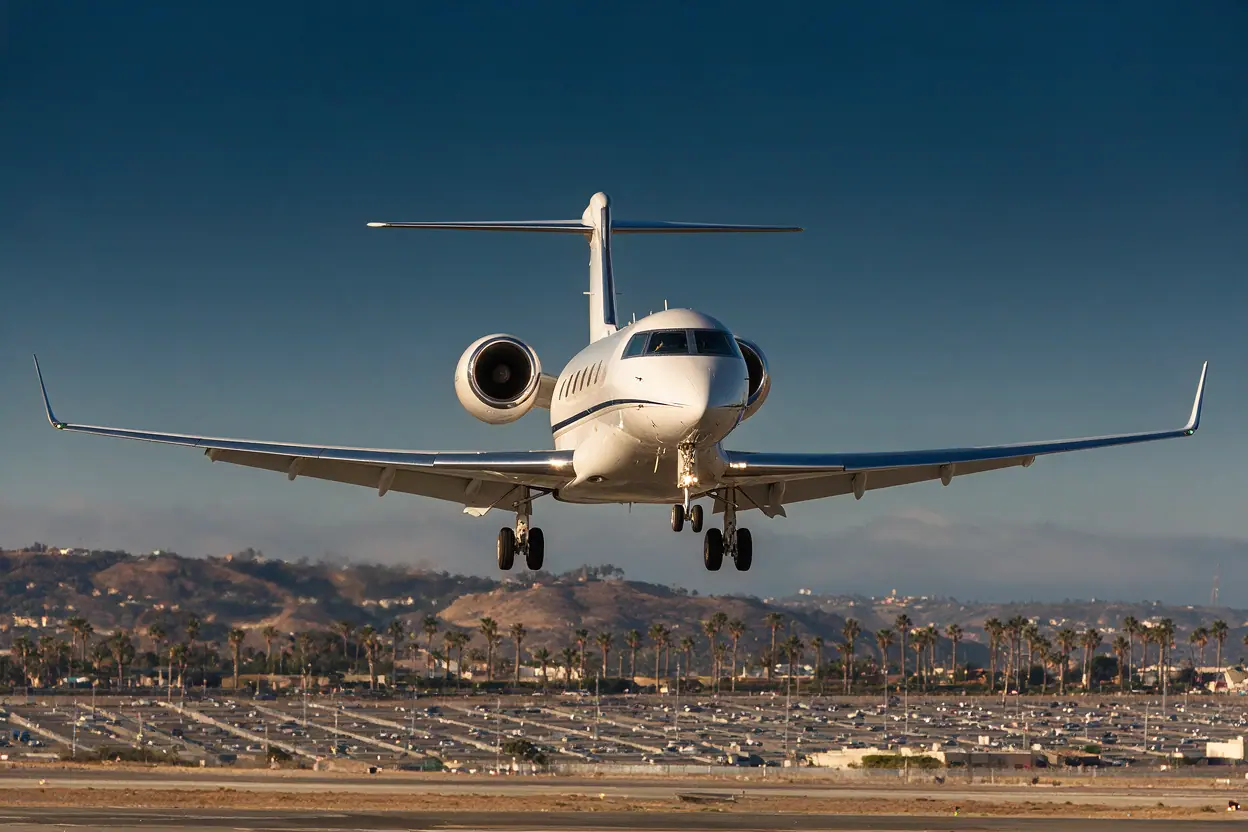
New York → Los Angeles
- 6h 15m
- $23,500–$36,000
- 2,129 nm
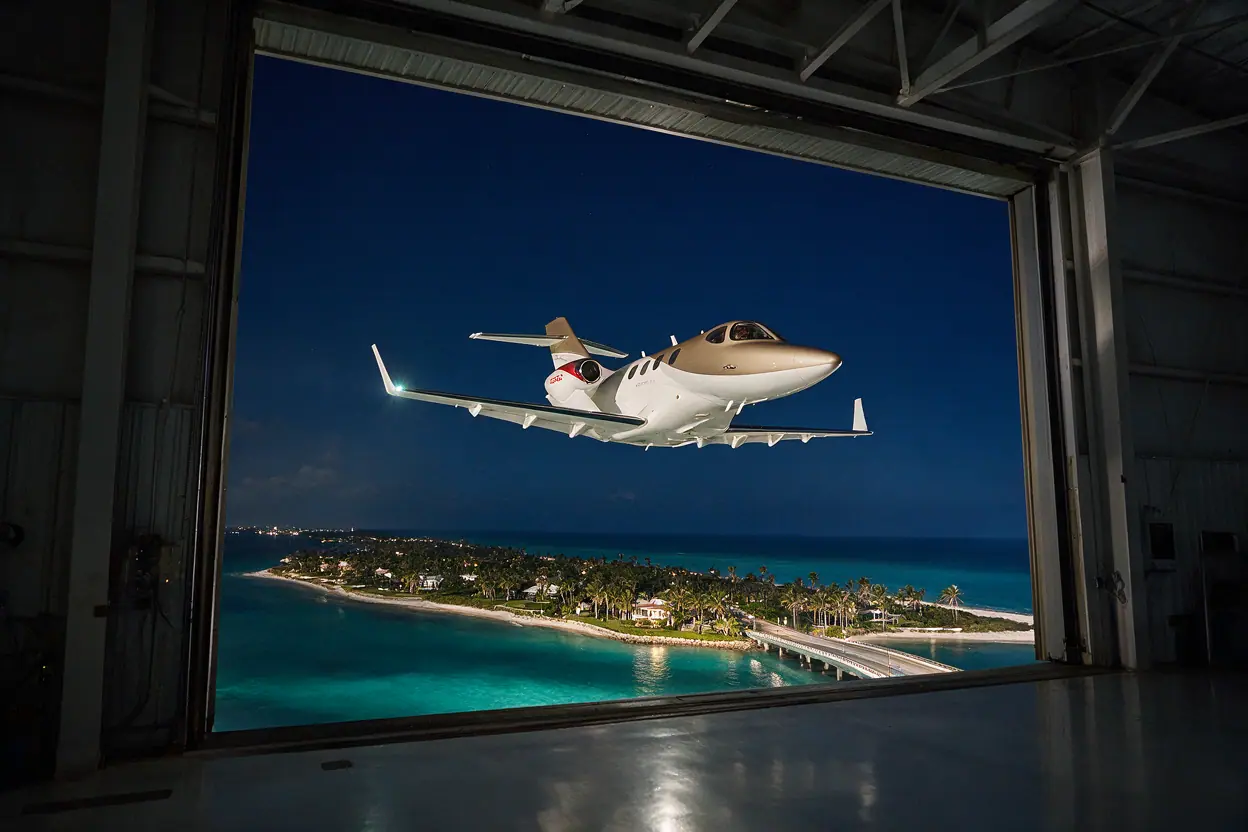
New York → Palm Beach
- 2h 30m
- $9,500–$14,500
- 902 nm
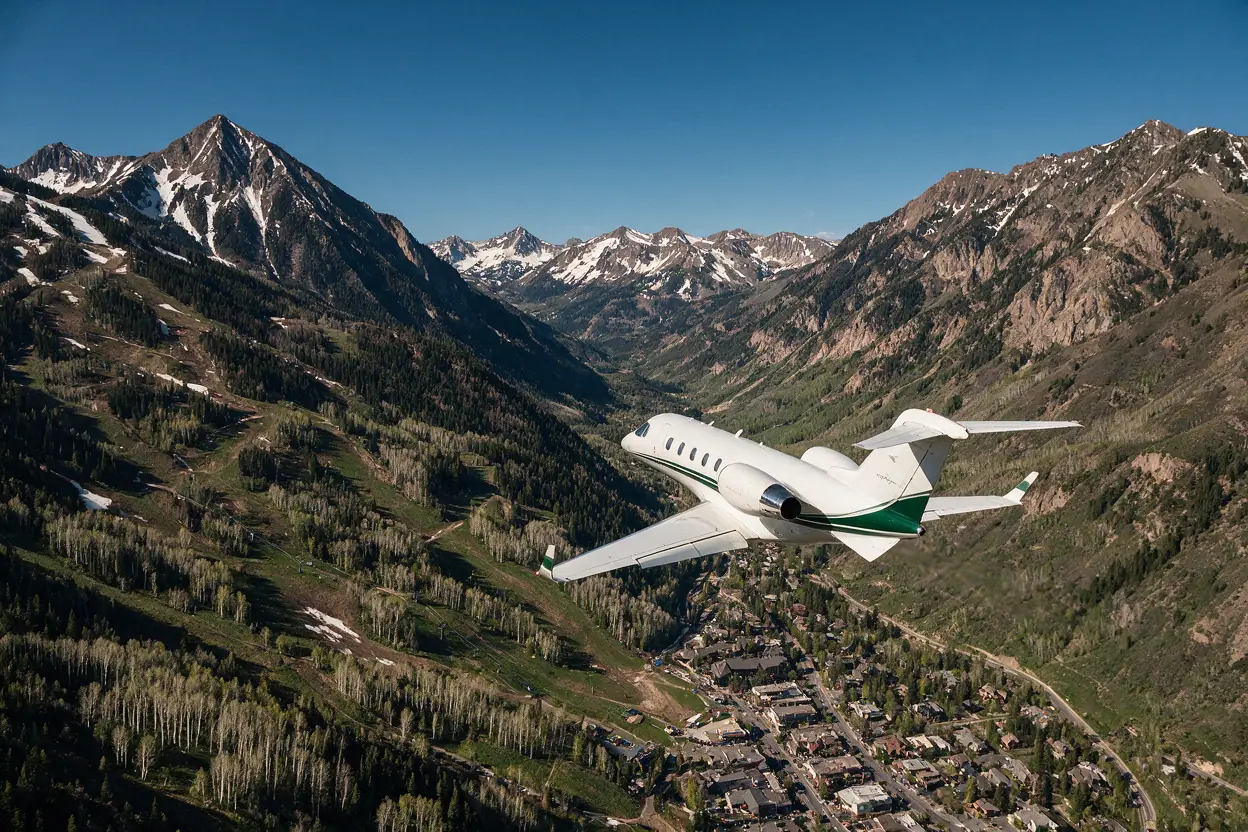
New York → Aspen
- 4h 43m
- $18,000–$27,500
- 1,503 nm

New York → The Hamptons
- 0h 30m
- $4,000–$6,000
- 82 nm
Dallas → Houston
- 0h 48m
- $4,000–$6,000
- 208 nm
New York → Boston
- 0h 41m
- $4,000–$6,000
- 158 nm
Los Angeles → Cabo San Lucas
- 2h 16m
- $8,500–$13,000
- 808 nm
Chicago → Miami
- 2h 48m
- $10,500–$16,000
- 1,023 nm
How route times and prices are
Every route figure starts with great-circle distance between the two airports, plus a 5 percent allowance for routing. That handles the difference between a straight line and the path ATC actually clears. Flight time uses class cruise speed: 430 knots for a light jet, 440 for midsize, 470 for super-midsize and heavy, 300 for a turboprop. We add 0.3 hours for taxi, climb and descent. A one-hour minimum applies, so very short legs do not fall below the floor. The aircraft types behind these numbers include the Citation CJ4 Gen2, the Hawker 800XP and the Challenger 650.
Price ranges come from published hourly rates by class: $2,200 to $3,500 for turboprops, $3,800 to $5,800 for light jets, $5,200 to $7,800 for midsize, $7,200 to $10,000 for super-midsize and $9,500 to $14,500 for heavy jets. Time in the air, rounded up to the minimum, is multiplied by that hourly band. The result is an estimate for planning, not a booked price. Real quotes move with aircraft availability, crew duty limits, fuel and airport fees, and peak density altitude at high-elevation fields such as Centennial at 5,885 feet. We act as a DOT Part 295 air charter broker and arrange flights with FAA Part 135 operators who hold operational control.
Questions
What drives private jet cost by route more than anything else?
Distance drives it first, then aircraft class. A light jet near 200 nautical miles prices at $4,000 to $6,000. The same class over 2,129 nautical miles between New York and Los Angeles runs $23,500 to $36,000. Hourly rates for the class set the band, and flight time determines how many hours you pay for.
How much is a light jet from New York to Miami?
Estimates run $10,000 to $15,000 for the 949 nautical miles, with about 2 hours 37 minutes in the air. That is a planning figure. A midsize or super-midsize jet on the same route costs more per hour, and aircraft availability on your dates will move the final number.
Are short hops cheaper per mile?
No. A one-hour minimum applies, so a leg like New York to the Hamptons at 82 nautical miles still prices at $4,000 to $6,000 in a light jet. That floor covers taxi, climb and descent. Per mile, short routes cost more than long ones, which is why comparing total price alone can mislead.
Does the airport I choose change the price?
It can. Density altitude affects performance at fields like Van Nuys, where July density altitude reaches 3,200 feet, and Centennial at 5,885 feet elevation. Hot days and high fields can limit payload or rule out certain aircraft. Airport fees and the distance from the operator's base also shift the quote.
Can I book just one direction?
Yes, and a one-way quote may include repositioning if the aircraft has to return empty. Miami to Nassau at 161 nautical miles estimates $4,000 to $6,000 in a light jet. Ask whether the price assumes the aircraft stays or flies home, because that difference is real money on the invoice.
Who is responsible for the flight itself?
The FAA Part 135 operator that flies you holds operational control, including crew, maintenance and dispatch. We arrange the trip as a DOT Part 295 broker and act as your agent, not the operator. On international legs, CBP handles clearance at arrival, and the operator manages the required filings.