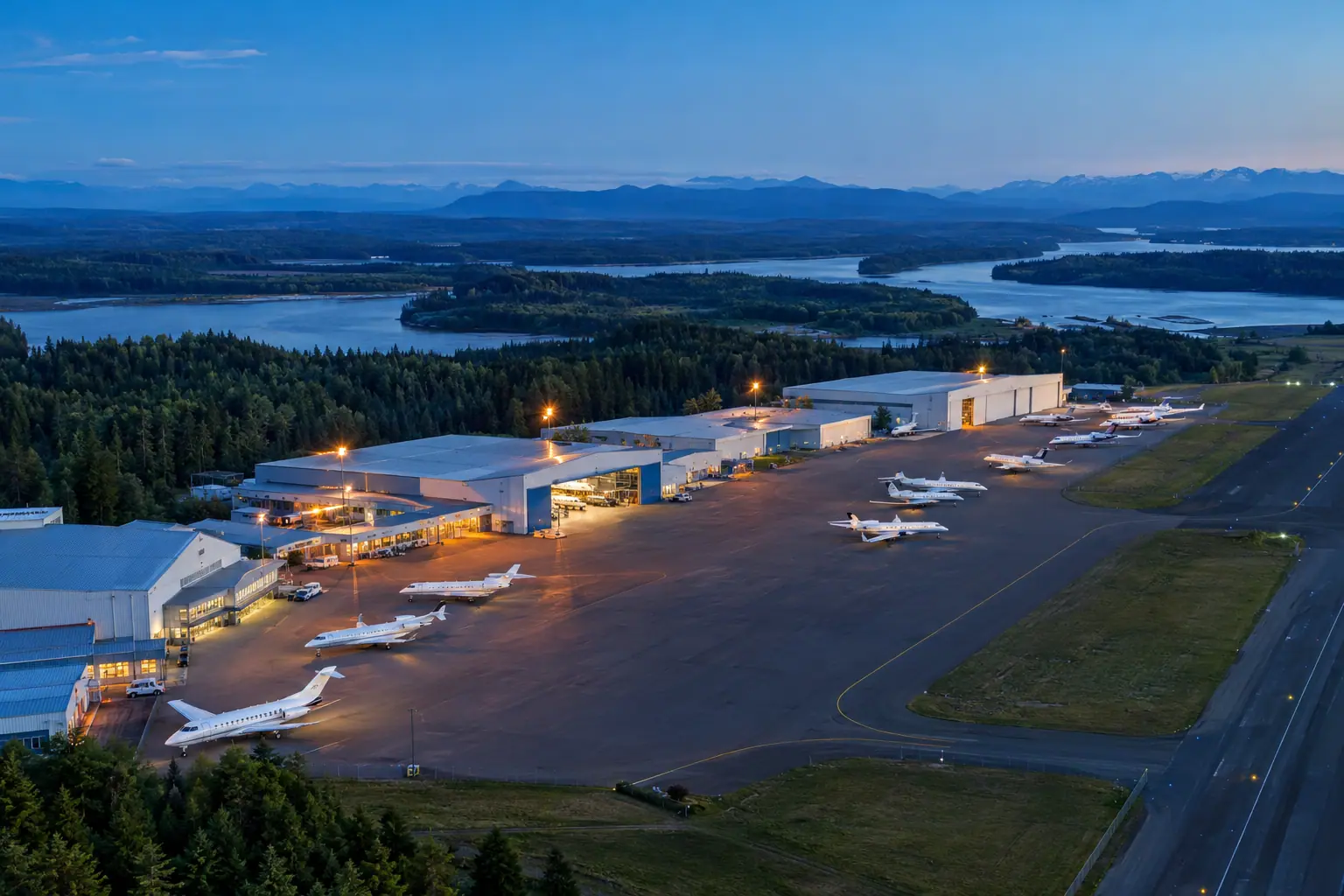
Private jet cost Harry Reid
Private jet cost Harry Reid depends on aircraft type, route length and the day you fly. Harry Reid International sits at 2,181 ft elevation with a 14,835 ft runway. This guide breaks down the numbers behind a charter estimate.
- KLAS · LASfield IDs
- 2,181 ftfield elevation
- 14,835 ftlongest runway
- 0 mito New York
Private jet cost Harry Reid starts with the aircraft, not the airport. A light jet charter into LAS usually costs less than a midsize or heavy jet because you are paying for cabin size, range and crew hours, and the estimate reflects all three. Harry Reid International (KLAS) is the commercial field two miles from the Strip, and it handles private and charter traffic through two dedicated FBOs. Brokers arrange the flight; the aircraft and crew come from an operator holding FAA Part 135 authority and operational control.
Most travelers asking about cost are flying one of a few routes. Southbound legs from Van Nuys (VNY) cover 229 miles, so they price near the short-hop end of the market. Flights from Teterboro (TEB) run 2,227 miles and need a midsize or larger cabin with the range to make it nonstop. Miami-Opa Locka (OPF) is 2,170 miles out. Shorter regional legs from Phoenix Deer Valley (DVT) at 242 miles and San Francisco (SFO) at 411 miles keep costs in the lower band. If you are weighing private jet routes include Las Vegas from Los Angeles and Phoenix, the same aircraft type can be quote-shopped across several legs to hold the price down.
Pricing is a range, not a rate card. Empty legs, repositioning flights and one-way bookings can move an estimate well below a round-trip charter, and seasonal demand around conventions and major events pushes it up. A request gets you a written estimate covering aircraft, crew, fuel and fees; the operator confirms dispatch and the final number. Expect the estimate to be labeled as such, with the caveat that fuel, taxes and landing fees move with the trip.
Field conditions at Harry Reid
KLAS sits at 2,181 ft elevation and its longest runway runs 14,835 ft, which is enough for heavy jets to depart at high gross weights even in summer heat. The 14,835 ft runway at Harry Reid International clears heavy jets in summer heat, so a long-haul departure from LAS rarely needs a fuel stop. For a light jet the margin is generous; for a heavy cabin aircraft the runway length buys takeoff performance on hot afternoons when density altitude climbs.
| Runway | Miles | Width | Surface |
|---|---|---|---|
| 08L/26R | 14,835 ft | 150 ft | Asphalt |
| 08R/26L | 10,526 ft | 150 ft | Asphalt |
| 01L/19R | 9,770 ft | 150 ft | Concrete |
| 01R/19L | 9,769 ft | 150 ft | Asphalt |
FBOs serving private flights at LAS
Two FBOs handle general and private aviation at the field: Atlantic Aviation and Signature Aviation. Charter flights at Harry Reid International use the Atlantic and Signature FBOs, and the operator tells you which one your aircraft will arrive at. The field sits two miles from the Strip, so the ground transfer is minutes, not a drive.
Both FBOs process arrivals and departures and provide ground handling, catering and fuel. Your broker books the flight and the FBO slot; the operator runs the airplane. That split matters when something changes on the day, because the operator holds operational control and makes the dispatch decision.
Best for
- Short hops from Southern California: VNY to LAS is 229 miles, a light jet trip that keeps the estimate low and the flight short.
- Long-haul nonstops from the East Coast: TEB at 2,227 miles and OPF at 2,170 miles need midsize or larger aircraft with the range to fly direct.
- Convention and event travel where the Strip is the destination: the field is two miles out, so private jet charter services into Harry Reid keep the ground leg short.
- Heat-sensitive summer trips: a heavy jet with the 14,835 ft runway behind it handles July departures better than a light aircraft.
| Class | Runway length needed | Here |
|---|---|---|
| Turboprop | 3,300 ft+ | Clears |
| Light jet | 4,000 ft+ | Clears |
| Midsize jet | 5,000 ft+ | Clears |
| Super-midsize jet | 5,200 ft+ | Clears |
| Heavy jet | 5,600 ft+ | Clears |
Weather and density altitude by season
Density altitude at LAS swings hard with the season, and it changes what the aircraft can carry. July density altitude at Harry Reid reaches 5,800 ft with a 105F high, and peak conditions near 115F push it to 6,300 ft. That is the number pilots plan around, because thin air lengthens takeoff rolls and reduces climb performance.
Winter is the easy season. December and January highs sit at 57F with density altitude around 2,600 ft, and wet days are few. Spring and fall land between 3,000 and 4,600 ft. If you are flying a light jet on a hot July afternoon, the operator may limit payload or fuel to stay within performance limits. Ask about it when you book, so a full cabin does not turn into a surprise at the ramp.
| Mo. | Avg high | Wet days | Air density height |
|---|---|---|---|
| Jan | 57°F | 4 | 2,600 ft |
| Feb | 63°F | 3 | 3,000 ft |
| Mar | 70°F | 4 | 3,400 ft |
| Apr | 80°F | 2 | 4,100 ft |
| May | 87°F | 1 | 4,600 ft |
| Jun | 101°F | 0 | 5,500 ft |
| Jul | 105°F | 2 | 5,800 ft |
| Aug | 103°F | 2 | 5,600 ft |
| Sep | 95°F | 1 | 5,100 ft |
| Oct | 81°F | 2 | 4,200 ft |
| Nov | 66°F | 1 | 3,200 ft |
| Dec | 57°F | 2 | 2,600 ft |
Getting to and from the field
Harry Reid International is two miles from the Strip, so a car transfer from the FBO takes minutes under normal traffic. Ground access from Harry Reid to the Strip covers two miles by car, which makes it the closest major airport to the resort corridor. Ride-share and prearranged cars both serve the FBOs. For international legs, CBP processing is handled at the field; confirm clearance with your operator before departure so the arrival does not stall.
Private jet routes via Harry Reid
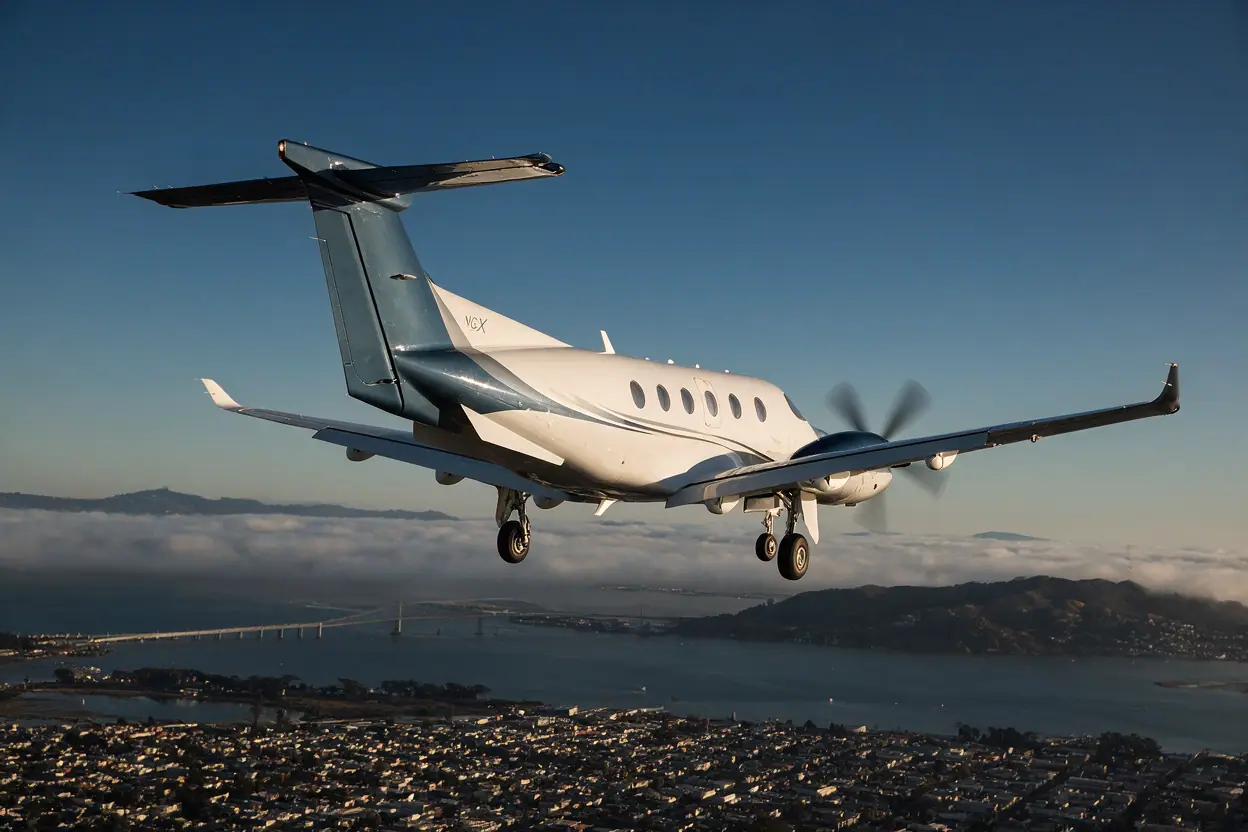
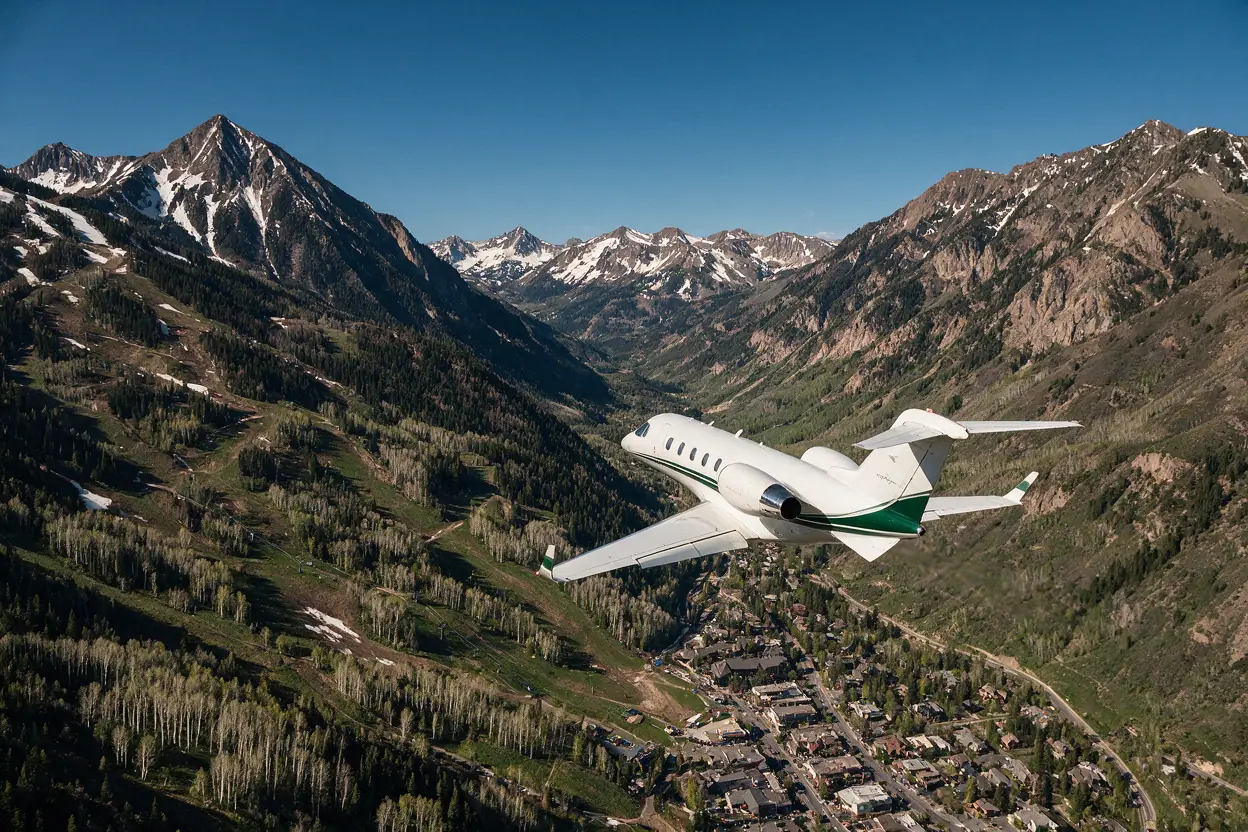
These 6 private jet legs span 199 to 2,129 nautical miles; single-leg light jet quotes run from $4,000 to $36,000.

Airport-specific questions
What does private jet cost Harry Reid run from Los Angeles?
The VNY to LAS leg is 229 miles, so it prices at the short-hop end of the market. Expect a light jet to come in below a midsize or heavy aircraft on the same route, and the final number depends on aircraft type, crew hours and fees. Request an estimate with your dates and passenger count for a written figure.
Which FBOs handle charter flights at Harry Reid?
Atlantic Aviation and Signature Aviation serve general aviation at LAS. The operator assigns the FBO and tells you where to meet the aircraft. The field is two miles from the Strip, so ground transfer is quick. Your broker books the flight and slot; the Part 135 operator runs the airplane and holds dispatch authority.
How hot does it get and what does that do to a flight?
July highs reach 105F and density altitude runs about 5,800 ft. Near 115F it can reach 6,300 ft. Thin air means longer takeoff rolls and lower climb rates, so a light jet may face payload or fuel limits on a hot afternoon. The 14,835 ft runway helps, but operators still plan around the number.
Why do summer departures cost more at LAS?
Heat affects performance, and performance affects what an aircraft can carry. When density altitude climbs past 5,800 ft in July, an operator may need a larger aircraft or a fuel stop on a long leg, and both raise the estimate. Booking earlier in the day, when temperatures are lower, can keep the trip within limits.
Is a broker the same as the operator?
No. The broker arranges the flight as an agent under DOT Part 295 rules and does not fly the aircraft. The operator holds FAA Part 135 authority and operational control. That means the operator decides whether the flight departs, and the broker handles the quote, the booking and the FBO coordination. Ask who operates your specific flight.
What is the longest runway and why does it matter?
The longest runway at KLAS is 14,835 ft at a field elevation of 2,181 ft. Length matters most in summer, when heat raises density altitude and stretches takeoff distance. A long runway gives heavy jets room to depart at higher weights, so a nonstop long-haul leg out of LAS usually does not need a fuel stop.